Virus Deactivating LED Bulb with IR Radiation Emission
The virus deactivating LED bulb is a solution based on the emission of visible light combined with far infrared radiation in the range of 2 to 16 micrometers. The source of IR radiation is a special coating applied to the glass part of the bulb. This coating is made from a composition of microcrystals derived from thirty natural rare earth minerals.
When stimulated by the light emitted from the LED diode, the coating becomes activated and generates infrared radiation. The range of IR impact is similar to the range of the bulb’s light, meaning the effect covers the entire area illuminated by the light beam.
Technological Foundations
The development of this product was inspired by research on long distance transmission of infrared waves and scientific publications describing the use of IR radiation for microbial reduction. The applied technology is based on the transfer of infrared energy through the visible electromagnetic radiation emitted by the LED bulb.
Visible light alone does not possess virus deactivating properties. The key factor is the far infrared radiation generated by the micro mineral layer. Unlike UV lamps operating at 286 nanometers, this solution does not rely on radiation considered harmful to living organisms.
Mechanism of Virus Deactivation
Viruses move through the air in aerosol form, attached to microscopic water droplets produced during breathing, speaking, or coughing. The emitted visible light together with infrared radiation interacts with the surface of these droplets.
According to the described technology, infrared radiation causes ionization of the water contained in the droplets. As a result of this process, free electron charges are generated. These electrons interact with the structure of both enveloped and non enveloped viruses, leading to their deactivation.
Laboratory Test Results
Studies conducted at the University of Environmental and Life Sciences in Wrocław, based on a modified PN EN 17272 standard, demonstrated a 99.9 percent reduction of the titer of non enveloped Adenovirus type 5 within three hours at a distance of 25 centimeters from the radiation source. The research scope was limited by the technical capacity of the available laboratory equipment.
Additional research results referenced from institutions in China, including Tsinghua University and medical institutes in Beijing, reported reductions in selected bacteria and fungi under exposure to infrared radiation of specific wavelengths.
Spectrum of Action Against Microorganisms
Publications related to the technology indicate reduction of microorganisms such as Bacillus subtilis, Salmonella Enteritidis, Shigella flexneri, Staphylococcus aureus, Candida albicans, Lactobacillus, hemolytic streptococci, Pseudomonas, Escherichia coli, and Proteus vulgaris. Fungi responsible for severe systemic infections are also mentioned.
This effect is associated with the interaction of far infrared radiation with the aqueous environment in which microorganisms travel.
Advantages Over UV Solutions and Ionizers
Many room disinfection devices available on the market are based on UV radiation. Due to potential harm to skin and eyesight, they should not be used in the presence of people. Once an infected person enters a disinfected room, the space typically requires repeated disinfection.
Ionizers that operate through electrical discharge are also used. Their operation is often accompanied by the characteristic smell of ozone.
An LED bulb coated with micro minerals emitting infrared radiation can operate in the presence of people, enabling continuous action within the illuminated space. According to the technology description, the ionized air does not change odor and does not cause discomfort.
Additional Benefits for the User
Far infrared radiation in the 2 to 16 micrometer range is similar to the radiation naturally emitted by the human body. Product materials suggest its potentially positive influence on well being and oxygenation of the body.
When combined with IR emitting clothing, this solution may support regenerative processes and enhance comfort while staying indoors.
An Innovation with Development Potential
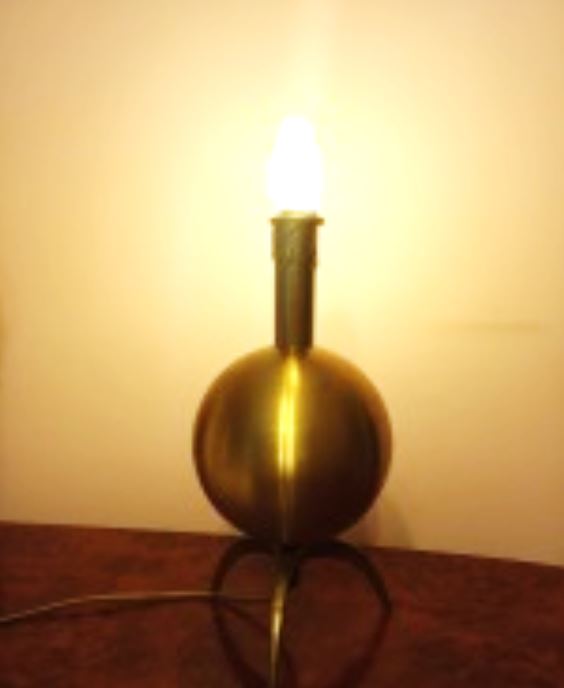
The micro mineral composition can be applied directly to standard LED bulbs or to decorative non woven covers. There is also the possibility of producing decorative lamps from imported components with customized design.
This technology represents an alternative to conventional UV based disinfection methods and may find application in residential, office, and commercial spaces where continuous reduction of microorganisms is important while maintaining user safety.




 English
  Polish