
Więcej o naszych żarówkach
Virucidal LED Light Bulb with IR-Emitting Micromineral Coating
Innovative technology for virus deactivation in enclosed spaces
Viruses are destroyed using far-infrared radiation with wavelengths ranging from 2 to 16 micrometers (analogous to radiation emitted by the human body), transmitted via visible electromagnetic light emitted by an LED bulb.
Mechanism of action
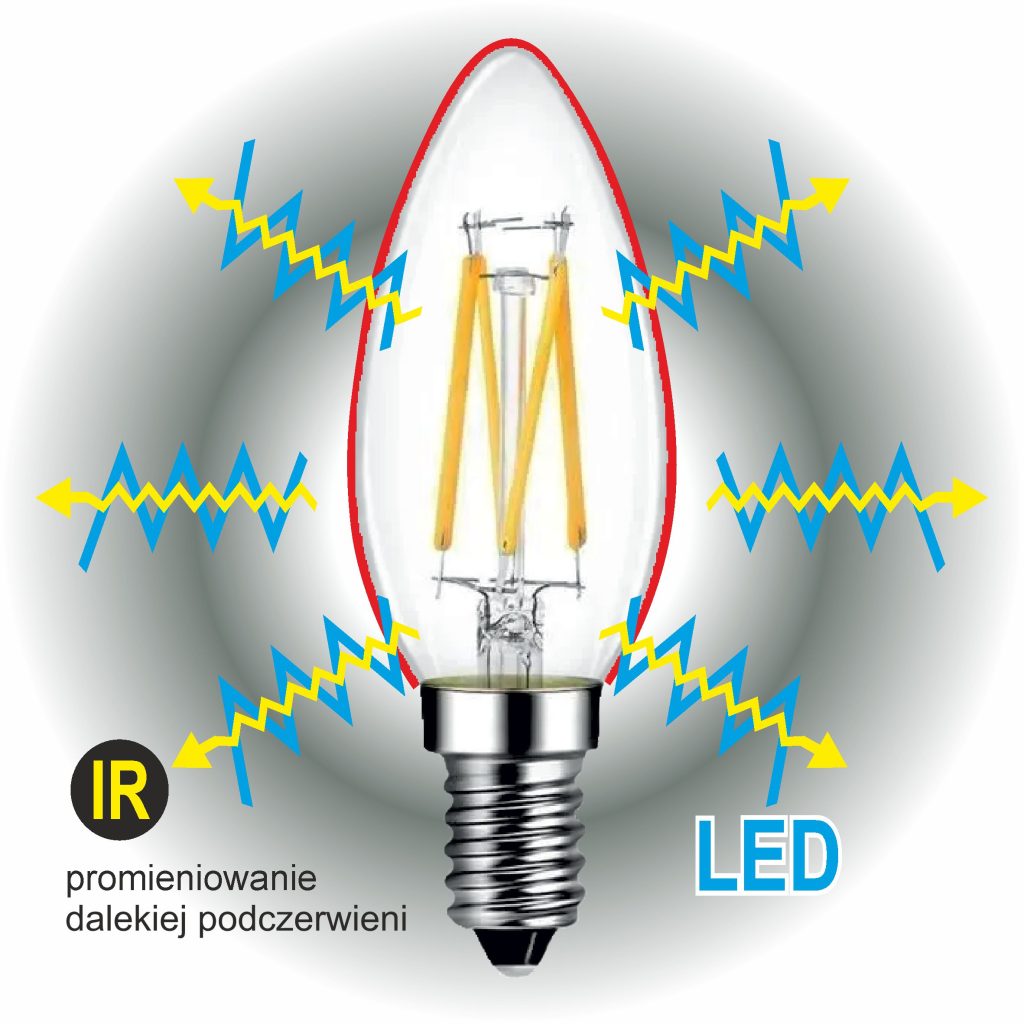
The LED bulb itself emits visible light that does not destroy viruses. However, it transmits far-infrared radiation generated by a special coating applied to the glass surface of the bulb. This coating consists of a composition of microminerals whose properties cause the bulb, when stimulated by light, to emit far-infrared radiation. The range of IR radiation is equivalent to the range of the LED bulb’s light.
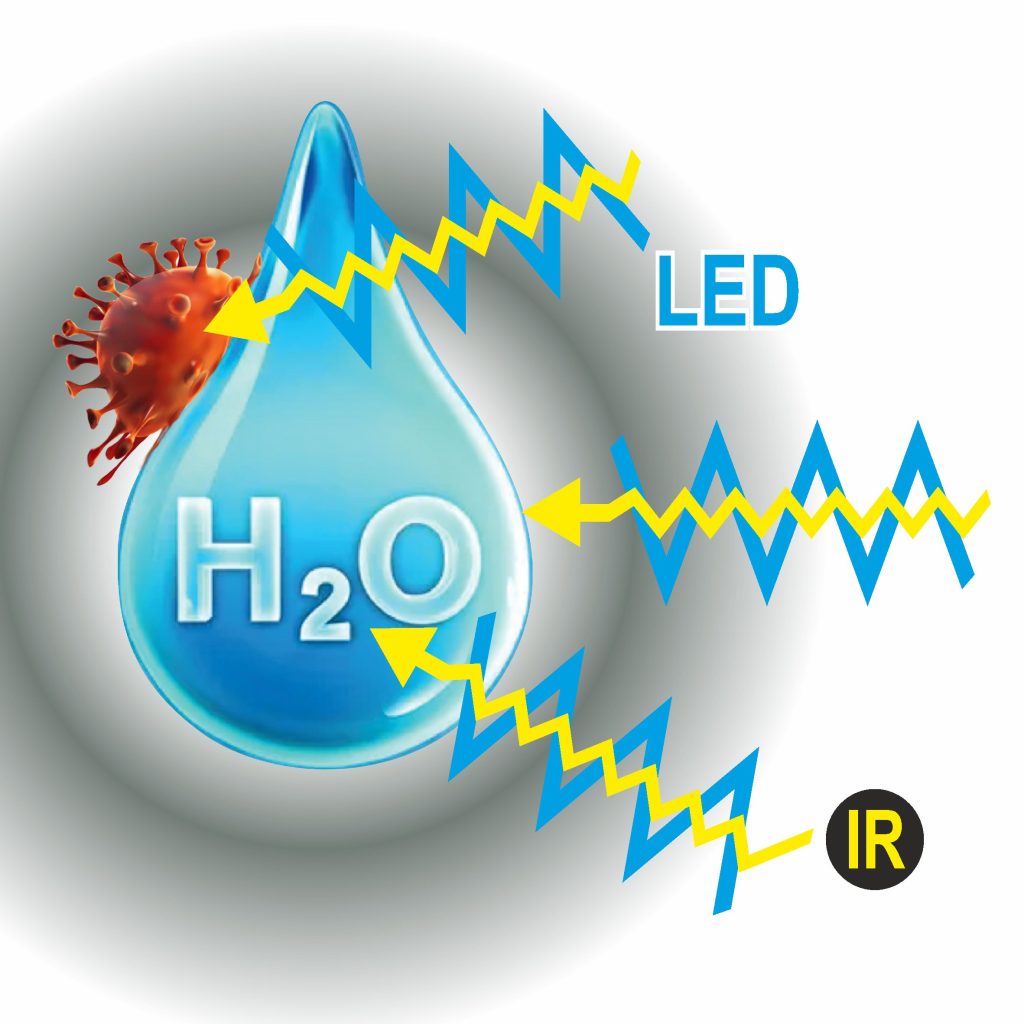
Viruses spread via water vapor contained in exhaled air from an infected person. They attach to microdroplets present in the vapor. Visible light together with infrared radiation strikes the surface of these microdroplets.
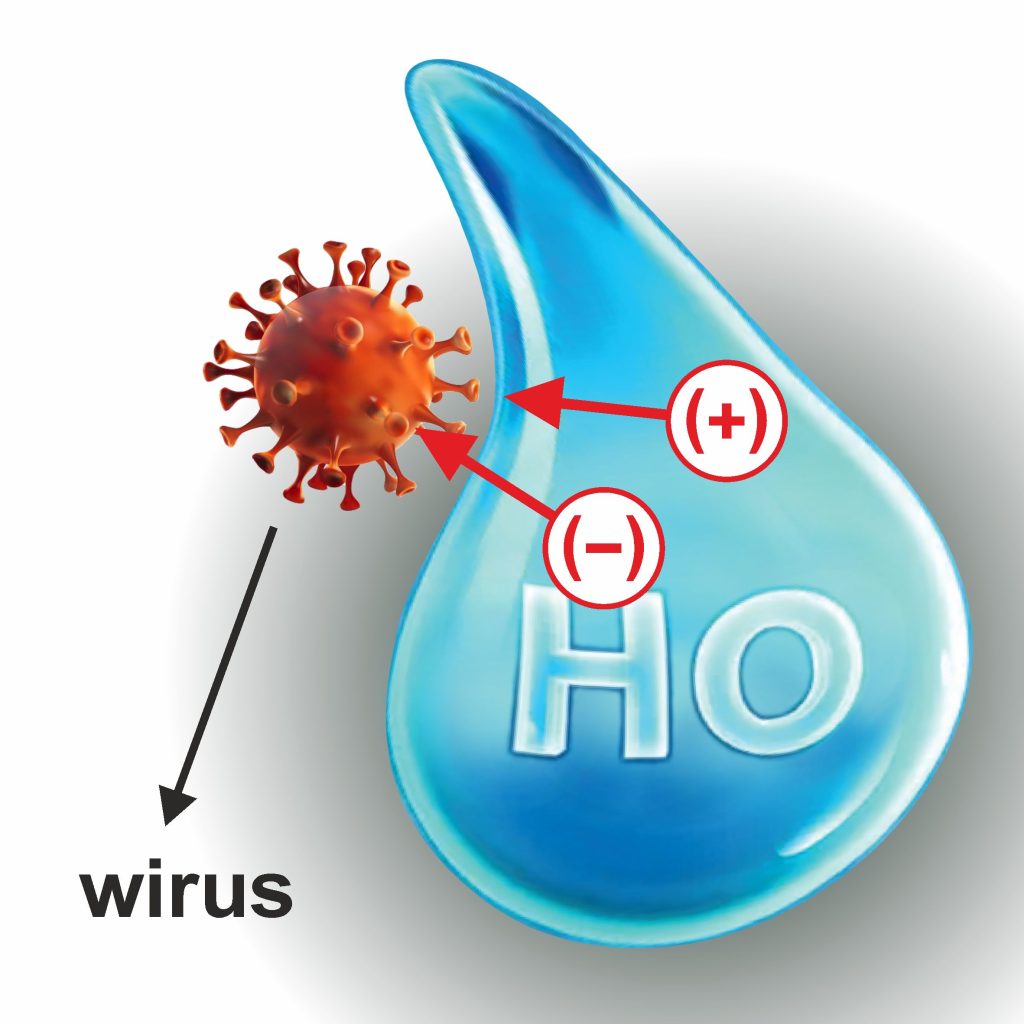
Infrared radiation ionizes the water contained within the droplet. As a result of ionization, free electron charges are generated, which impact the envelope of enveloped viruses or the capsid of non-enveloped viruses.
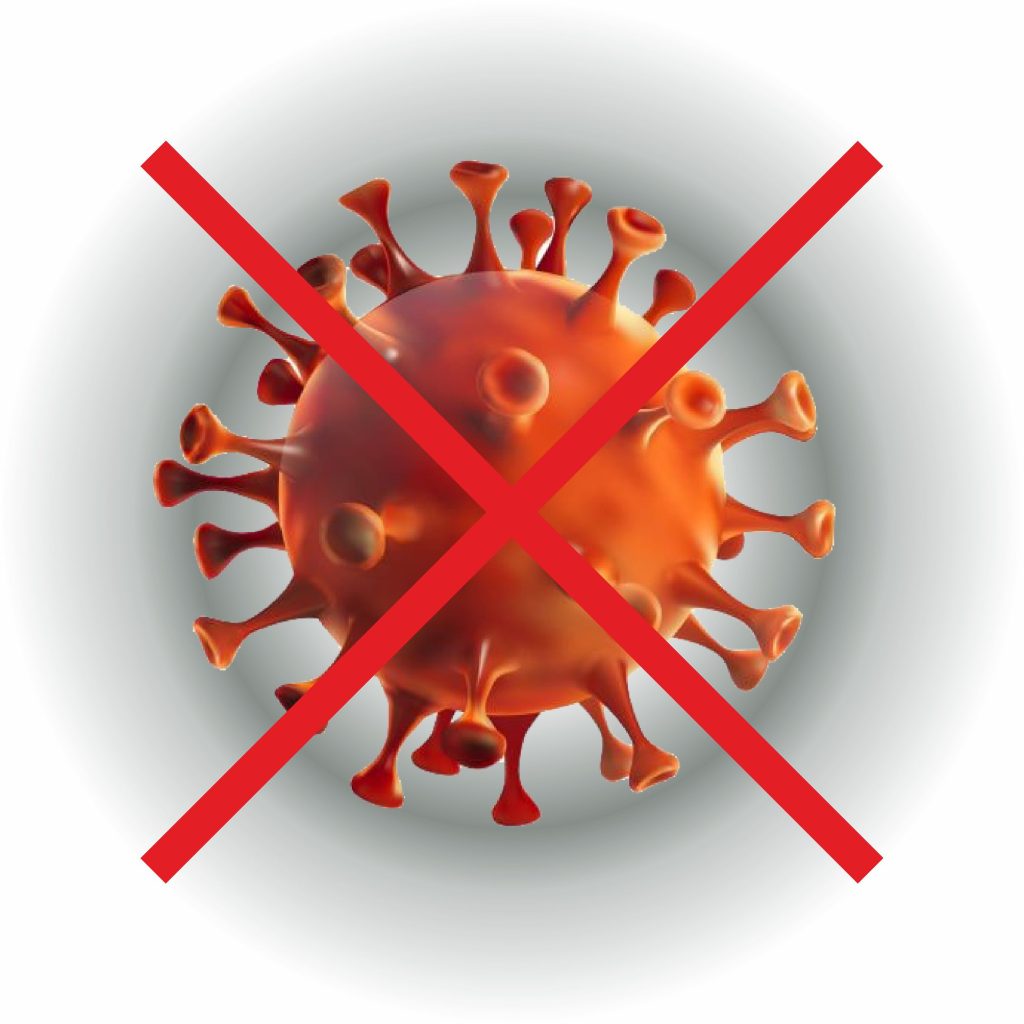
This leads to virus deactivation.
Studies conducted in accordance with a modified PN-EN 17272 standard at the Wrocław University of Environmental and Life Sciences demonstrated that infrared radiation caused a 99.9% reduction within 3 hours, within a 25 cm radius, of the titer of a non-enveloped virus – Adenovirus type 5. The scope of the study was limited by the size of the equipment available at the university. However, it can be assumed that far-infrared radiation transmitted via LED electromagnetic light eliminates viruses within the range of the emitted light. The elimination of viruses in enclosed spaces is also partially supported by natural circulation of ionized air.
Further studies conducted at Tsinghua University under the supervision of Professor Tian Jiemo, as well as clinical studies at the Institute of Aerospace Medicine of Peking University and the China–Japan Friendship Hospital under the supervision of Professor Shen Xianyun, demonstrated that exposure to infrared (IR) radiation of appropriate wavelengths resulted in the reduction of the following bacteria and fungi:
- Bacillus – Gram-positive microorganisms common in nature, including Bacillus subtilis
- Salmonella Enteritidis – a serotype of Salmonella causing food poisoning
- Shigella flexneri – Gram-negative bacterium responsible for bacterial dysentery
- Staphylococcus aureus – Gram-positive bacterium, a major human pathogen
- Candida albicans – yeast-type fungus (white yeast)
Candida albicans particularly affects people suffering from disorders of the immune system, such as HIV or cancer, but also common influenza. Candida albicans also attacks people who abuse alcohol and drugs and those who do not follow the principles of a healthy diet.
- Lactobacillus – a genus of Gram-positive bacteria from the Lactobacillaceae family, classified as lactic acid bacteria.
- Hemolytic streptococcus – streptococci may cause urinary tract infections in adults and pregnant women.
- Pseudomonas – Pseudomonas aeruginosa is a particularly dangerous microorganism, an opportunistic pathogen capable of causing acute pneumonia, bloodstream infections, as well as skin and soft tissue infections.
- Escherichia coli – bacteria that are harmless in the large intestine, but in other parts of the body may prove to be very dangerous.
- Proteus vulgaris can cause various infections, e.g. of the respiratory tract, wounds, bones, gastrointestinal tract, joints, and meningitis. The most common and most contagious route of infection is the droplet route – together with saliva and nasal secretions, bacteria as well as viruses spread over distances of up to several meters, reaching directly the respiratory tract or settling on surfaces.
- Fungus – mycosis, a fatal fungal infection.
The results were published in the Health Handbook brochure issued by Hong Kong High-Tech Group Co., Ltd., Shenzhen Century Huljia Nanometer Science and Technology Co. Ltd., China South Group Inc. (USA).
There are many solutions for room disinfection devices available on the market. Their operation is based on the emission of UV radiation with a wavelength of 286 nanometers. UV radiation is harmful and should not be used in the presence of humans. A disinfected room, after being entered by an infected person, should be disinfected again. In most cases, this is impossible. There are also ionizers whose operation is based on electrical discharges. Unfortunately, the air ionized in this way emits an unpleasant odor.
The superiority of the proposed solution using an E14 LED virucidal bulb with a micromineral coating emitting IR radiation lies in the fact that it can be used in the presence of humans. The room can be continuously disinfected. Ionized air does not change its odor.
Staying within the range of far-infrared radiation with a wavelength of 2 to 16 micrometers has a positive effect on the human body. When used in combination with IR underwear, it may stimulate biological regeneration through increased oxygenation of the body.
 English
  Polish